



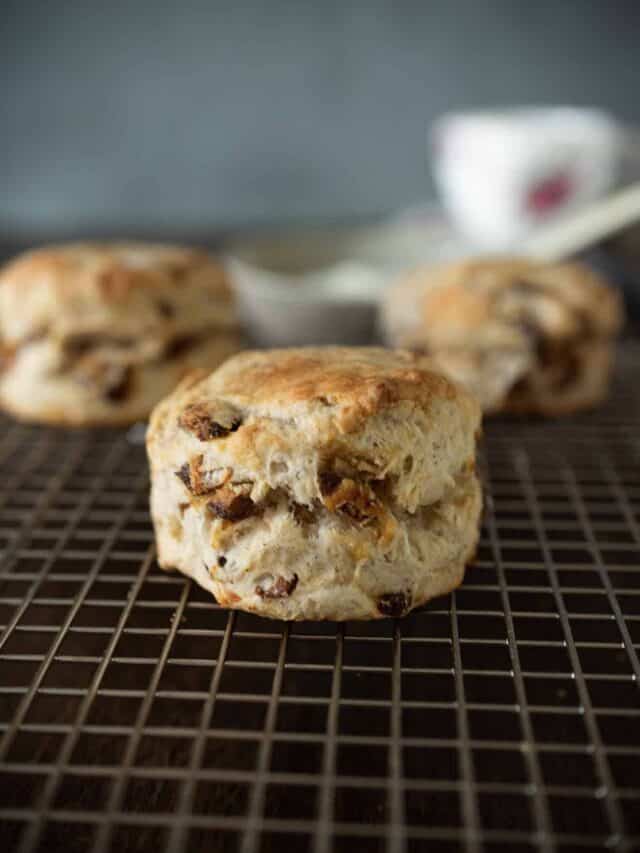
My British Autumn Apple and Date Scones are the perfect treat for fall (or autumn), whether for breakfast or afternoon tea. This easy recipe is flavored with warming spices like cinnamon and nutmeg, along with fresh apple and sweet Medjool dates. And of course, no English scone is complete without a dollop of jam, a spoonful of clotted cream, and a proper cup of English tea!

Ingredients
- All-purpose/plain flour
- Baking powder
- Salt
- Granulated/caster sugar
- Ground cinnamon
- Ground nutmeg
- Red apple
- Dates
- Eggs
- Milk
Hello, apple season! It’s my favorite time of year—for food, for delicious scones, and for the crisp weather. I drink all the English tea I want and always pair it with one of my native British scones.

How the British pronounce ‘scone’
The scone is actually pronounced ‘scon,’ not ‘scoan’ (as many people mispronounce it). Once a distinctly British treat, it has now gained global popularity.
Fall/autumn spices
I kept the flavors simple with just cinnamon and nutmeg, though a little ground ginger is also a nice addition.

British and American scone difference
Classic English Scones are round, while American scones are usually cut into triangles. Unlike many American versions, English scones never have a sugary glaze drizzled on top. Instead, they’re served simply with jam and clotted cream. They’re not overly sweet, though they sometimes include dried fruit—just like mine here.
What is clotted cream?
You can read about it and learn more in my post on Clotted Cream for Afternoon Tea (pictured below).

How to Make British Scones
Start with the basics: all-purpose (plain) flour, baking powder, salt, butter, and sugar. For these scones, I add sweet apple, dates, cinnamon, and nutmeg. The flavors aren’t overpowering—just a light taste of fall.
Scone dough
Start with a basic scone recipe. The texture should be soft and slightly sticky—not dry like American biscuit dough, but not wet like bread dough either. The dough should feel delicate and crumbly, holding together with just a light press and only a dusting of flour on the outside to prevent sticking.
The first step is the key to making light, fluffy scones: rubbing the butter into the dry ingredients. The best technique is to lift the butter with your fingers and rub it between your thumb and fingertips until it resembles breadcrumbs. Tip: shake the bowl side to side, and the larger butter chunks will rise to the top so you can see how well they’re incorporated. I prefer doing this by hand rather than using a stand mixer.
The best apples for scones
Sweet red apples are best. Granny smith apples are not sweet enough in my opinion. Save those for apple pie.
Tips for making scones
- Cold butter – Is essential because as it melts in the oven, it creates steam pockets that make the scones rise and turn fluffy with a light, layered crumb. Unsalted butter is best to control salt level.
- Room temperature eggs and milk – This helps them blend more evenly into the dough.
- Use fork then hands – I like to lightly stir (not whisk) the wet and dry ingredients, just until combined. Then switch to using my hands so I can gauge the consistency and when the dough holds together.
- Size matters – Cut your scones evenly so they bake at the same rate; uneven sizes can leave some underdone.
- Don’t overwork the dough – Handle it lightly so you don’t toughen the gluten. Only on a lightly floured surface so the dough is not too dry.
- Use a straight, sharp cutter – Cut non-fluted rounds, press straight down (don’t twist) so they rise evenly.
- Use a heavy baking sheet/ tray – It retains heat better, helping the bottoms bake evenly in a hot oven. Lined with parchment paper will prevent them sticking.
- Give them space – Place them about 2-3 inches (5-7 cm) apart so the heat can circulate and help a good rise.
- Start with a hot oven – Scones need that initial blast of heat to rise quickly and get fluffy inside while staying golden on the outside.
- Avoid opening the door – Let that heat stay trapped; peeking too soon can prevent a good rise.
Serving date and apple cinnamon scones
Simply cut in half and spread with clotted cream or butter and a nice cup of tea. Apple butter is also a tasty option.


Sweet and savory scones
Scones can be sweet or savory. For sweet, I have Pumpkin Scones and Summer Strawberry Scones, but they don’t always have to be sweet. Try my Cottage Cheese Scones, made with cheddar and chives—delicious with a little butter. All pictured above.
More Autumn/fall recipes:
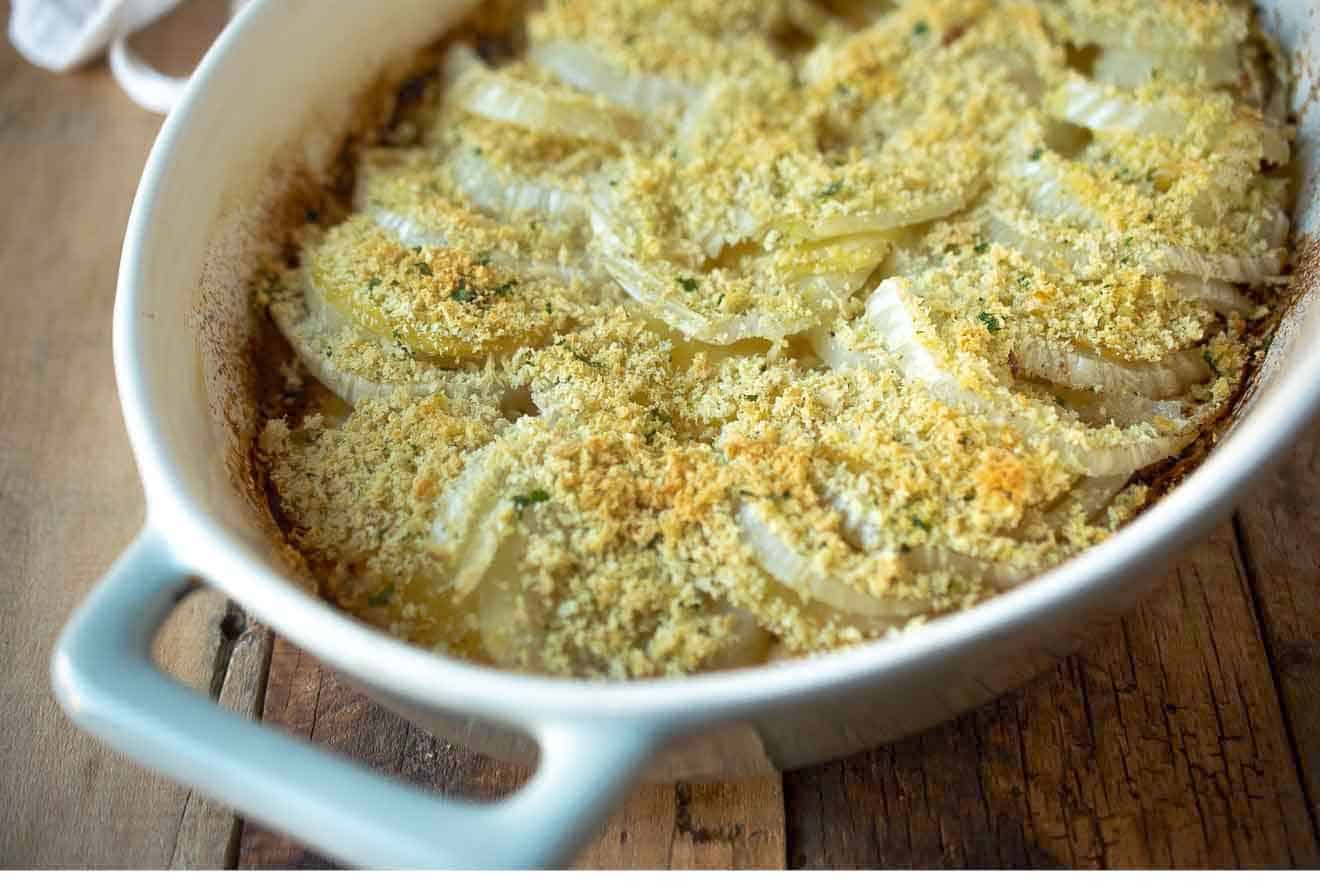
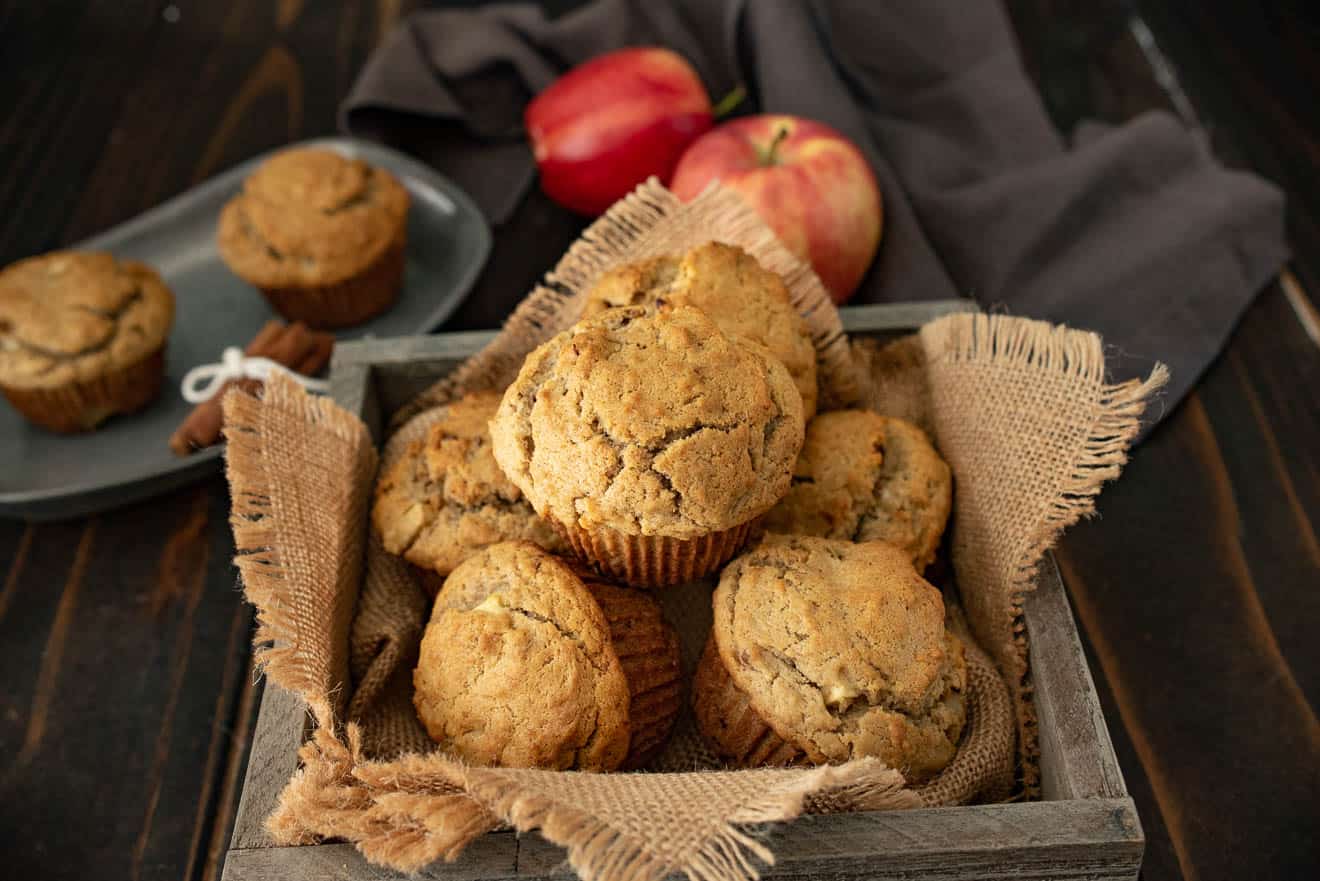
This is just one of my many autumn apple recipes that I love. Here are a few more:

Storing and freezing scones
You can freeze scones either unbaked or baked. To freeze unbaked scones, place them on a tray without touching so they don’t stick together and freeze for 3 hours. Then transfer them to an airtight container. To bake frozen scones, defrost them at room temperature for 2–3 hours and bake according to the recipe.
Prep Time
15 minutes
Cook Time
20 minutes
Total Time
35 minutes
Ingredients
- 2 cups (260 grams) all-purpose/plain flour
- 2 teaspoons baking powder
- ½ teaspoon salt
- 5 tablespoons (70 grams) unsalted butter
- 1½ tablespoons granulated sugar
- ¼ teaspoon cinnamon
- ⅛ teaspoon ground nutmeg
- 4 heaped tablespoons sweet red apple, peeled and finely chopped
- 4 pitted dates, chopped
- 2 large eggs, room temperature
- ½ cup (118 ml) + 1 teaspoon whole milk, room temperature
Instructions
This recipe yields 6 scones
- Preheat oven to 425°F/220°C. Cover a baking sheet/baking tray with parchment/baking paper.
- Sieve the flour, baking powder and salt into a large bowl. Add the butter and rub between your fingers until the mix resembles breadcrumbs and the butter is evenly mixing into the flour.
- Stir in the sugar, cinnamon, nutmeg, apple and dates.
- To a separate bowl, whisk 1egg with half the milk.
- Add the egg/milk and mix the dough lightly with a fork until it comes together adding a little more milk as you mix (you may not need it all). It should be moist, but not sticky and just holding together.
- Turn the dough onto a lightly floured cutting board. Flatten and fold the dough so the top is smooth without cracks. Shape the dough to ¾-inch (2 cm) thick round. Do not work the dough too much and do not use a rolling pin.
- Using a non-fluted 2-½ inch (5 cm) cookie cutter dipped in flour. (non-fluted cuts cleaner edges and help them rise) Cut rounds pressing straight down, do not twist. Dip the cutter into flour before each cut. Place the rounds about ½-inch (1 ¼ cm) apart on the baking sheet. Re-shape the rest of the dough and cut the rest.
- Whisk the remaining egg with the 1 teaspoon milk and brush the tops of the scones. Bake for 15-20 minutes or until lightly brown.
- Remove from the oven, transfer to a wire rack to cool completely. Cover with a clean, dry towel while they cool to keep them moist.
- Storing scones: Store them in an airtight container at room temperature for up to 2 days. For longer storage, refrigerate them for up to 5 days—just warm them in the oven or toaster before serving. You can also freeze them for up to 3 months; thaw at room temp and reheat in a warm oven to refresh.
Nutrition Information
Yield
6
Serving Size
1
Amount Per Serving
Calories 191Total Fat 10gSaturated Fat 6gTrans Fat 0gUnsaturated Fat 3gCholesterol 26mgSodium 213mgCarbohydrates 24gFiber 1gSugar 7gProtein 2g
This nutrition calculation is provided by Nutronix that is only a guideline and not intended for any particular diet.

Janette is a professionally trained chef based in California who channels her passion for cooking into thoughtfully crafted recipes. Her culinary creations are inspired by her English heritage as well as her favorite global cuisines, including Indian and Italian. Connect with her on Facebook, Pinterest, and Instagram for more delicious inspiration. More About Janette…
Resep Makanan
Berita Olahraga
News
Berita Terkini
Berita Terbaru
Berita Teknologi
Seputar Teknologi
Drama Korea
Resep Masakan
Pendidikan
Berita Terbaru
Berita Terbaru
Berita Terbaru
